
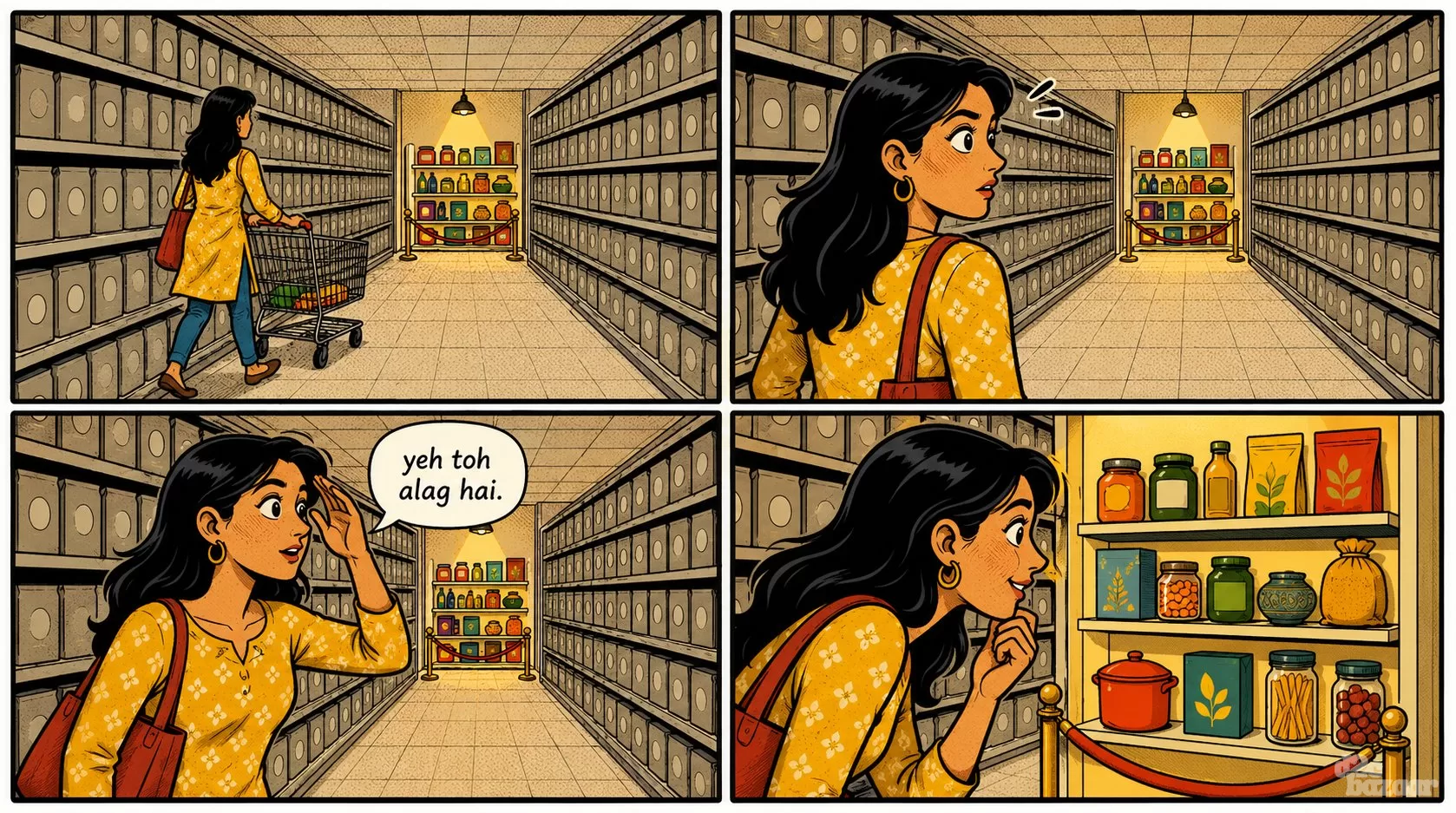
At some point, someone decided that Indian snack aisles needed more maida, more palm oil, and more flavours that are technically mango but have never been within 500 kilometres of one. Nobody asked for this. It happened anyway.
The good news is that a bunch of founders got quietly annoyed about it and started building things. Some are fixing the sourcing. Some are fixing the flavour. One of them is just making noodles that taste the way noodles should, and honestly that counts too.
Five Indian food and beverage D2C brands we think are worth your time.
Farmley
The elevator pitch for Farmley is: what if the makhana in your snack drawer was actually good?
Nuts, seeds, dried fruits, roasted makhana. Nothing exotic, nothing that requires a ten-minute explainer. Farmley’s entire bet is that the same things people have always snacked on in Indian kitchens can be done better if you actually care about sourcing. So they work directly with farming communities in Rajasthan, Himachal Pradesh, and other growing regions, which means they know where the product comes from before it ends up in a pouch with a friendly logo on it.
Their trail mixes are solid. Their flavoured makhana is the kind of thing you open for one handful and somehow finish. And crucially, you don’t feel like you owe anyone an apology afterwards.
Explore Farmley on D2C Bazaar →
Anveshan
Anveshan makes ghee the slow, slightly inconvenient way. A2 milk from indigenous cow breeds, curd hand-churned using the traditional bilona method, the whole thing done without the mechanical shortcuts that most ghee tins quietly rely on. It takes longer. It costs more. It smells like what ghee is actually supposed to smell like, which if you have only ever bought the supermarket kind, may come as a mild surprise.
They also publish their sourcing openly. Farm names, regions, methods. Either you find this reassuring or you find it a lot of information for a cooking fat. Both reactions are reasonable.
The cold-pressed oils and raw honey follow the same logic. Minimal processing, traceable origins, the kind of ingredient your grandmother would look at and simply nod.
It is not the cheapest option on the shelf. It is also not trying to be.
Explore Anveshan on D2C Bazaar →
Master Chow
Master Chow exists because Vidur Kataria went to China, ate actual Chinese food, came back to India, looked at what we were calling Chinese food, and apparently decided something had to be done.
The brand makes hakka noodles, schezwan sauces, and condiments from the Indo-Chinese repertoire. The Sichuan chilli oil is the one people tend to mention first because once you have it in the house it ends up on everything. Eggs, rice, noodles, the leftover sabzi you were not excited about until suddenly you were.
The noodle kits are quick, the flavour is not a compromise, and there are no wellness claims anywhere on the packaging because this is just food that tastes good and the brand is comfortable with that.
Which is refreshing, actually.
Explore Master Chow on D2C Bazaar →
Lahori Zeera
The jeera soda has existed at every chaat stall and street corner in India for decades. Somehow it never made it into a bottle in any serious way. Lahori Zeera looked at that gap and walked straight through it.
Carbonated drinks built around jeera, imli, and kala namak. The flavour is sharp and spiced and has absolutely no interest in being subtle about it. It works with food the way a good nimbu paani works with food, which is to say it makes everything around it taste better.
This is not a health drink. It does not want to be. It is a genuinely Indian alternative to the soft drinks that have been winning by default for thirty years, and it is better than most of them.
Explore Lahori Zeera on D2C Bazaar →
NoCap Foods
The name is doing some work here. NoCap Foods makes snacks built around ingredients that actually belong in them: millets, oats, beetroot. The range covers millet jalapeno chips, oats peri peri chips, beetroot chips, oats namkeen, millet tandoori namkeen. The kind of snack list that sounds virtuous but, more importantly, tastes like someone thought about the flavour before the packaging.
The millet and oat base means these are meaningfully different from the potato-and-palm-oil default that the Indian snack aisle has been running on for years. The flavours skew bold: tandoori, peri peri, jalapeno, which is the right instinct. A healthy snack that tastes like a compromise is just a sad snack.
Worth keeping a few around for the 4pm moment when the alternative is something you will regret.
Explore NoCap Foods on D2C Bazaar →
There are more brands worth exploring on D2C Bazaar → Indian food and beverage brandsWhich Indian D2C food brands are worth trying for healthy snacking?
Farmley and NoCap Foods are both good starting points. Farmley does nuts, seeds, and makhana with direct farm sourcing and no ingredient list you need to Google. NoCap makes millet and oat-based chips and namkeen with bold Indian flavours: tandoori, peri peri, jalapeno and a noticeably shorter ingredient list than the standard snack aisle. Neither will make you feel like you made a compromise.
Is there a good Indian alternative to Chinese instant noodles?
Master Chow is probably the most serious answer to that question. Founded by someone who spent time eating actual Chinese food in China, the brand makes hakka noodle kits and Indo-Chinese condiments including a Sichuan chilli oil that has developed a loyal following among people who put it on everything.
What makes Anveshan ghee different from regular ghee?
Anveshan uses A2 milk from indigenous cow breeds and the traditional bilona hand-churning method rather than mechanical cream extraction. The sourcing is openly documented and the flavour is noticeably different from commercially processed ghee. It is more expensive and worth knowing about if your cooking depends on the quality of the fat.
Are there any Indian D2C brands making traditional Indian beverages?
Lahori Zeera makes carbonated drinks built on jeera, imli, and kala namak. Think jaljeera, bottled and carbonated, with the flavour dialled up. It is one of the more convincing attempts at bringing India’s regional beverage tradition into a format that actually scales.
What are Indian food and beverage D2C brands?
Indian food and beverage D2C brands sell directly to consumers online, cutting out distributors and retail middlemen. The better ones use that control to do something with sourcing, quality, or transparency that a mass-market brand operating through twelve layers of supply chain simply cannot do.
Comments