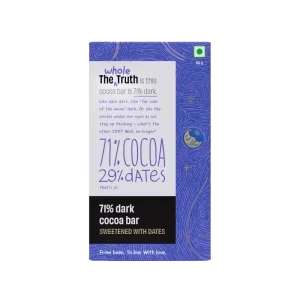
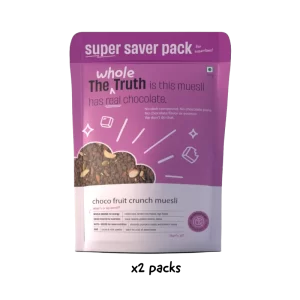
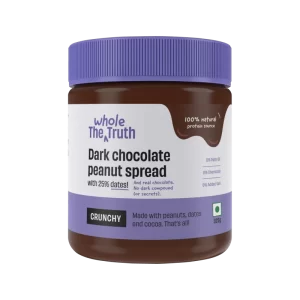
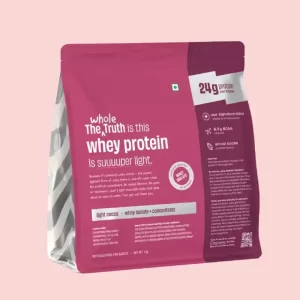
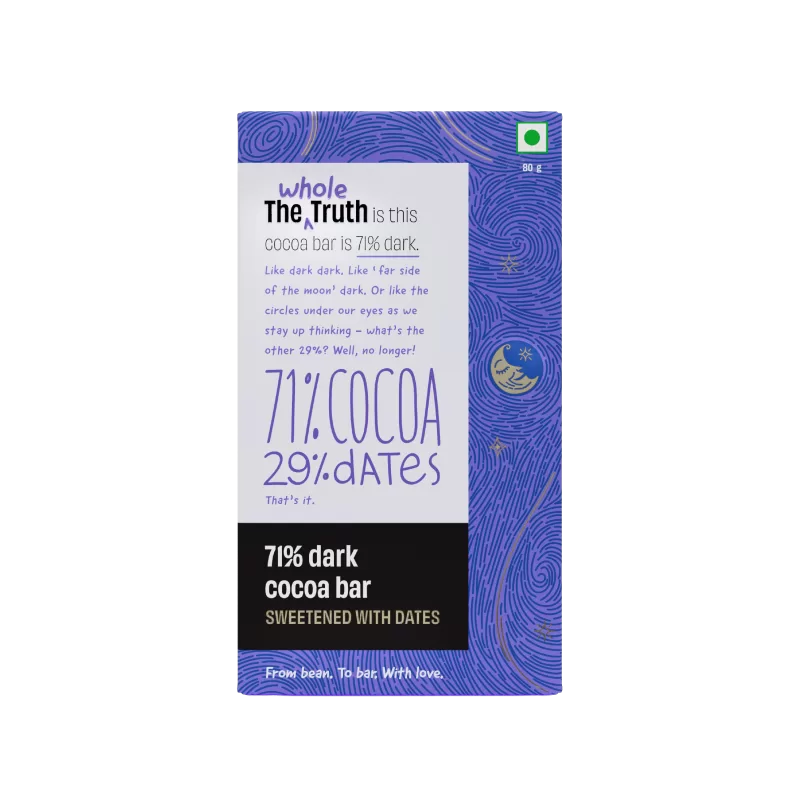
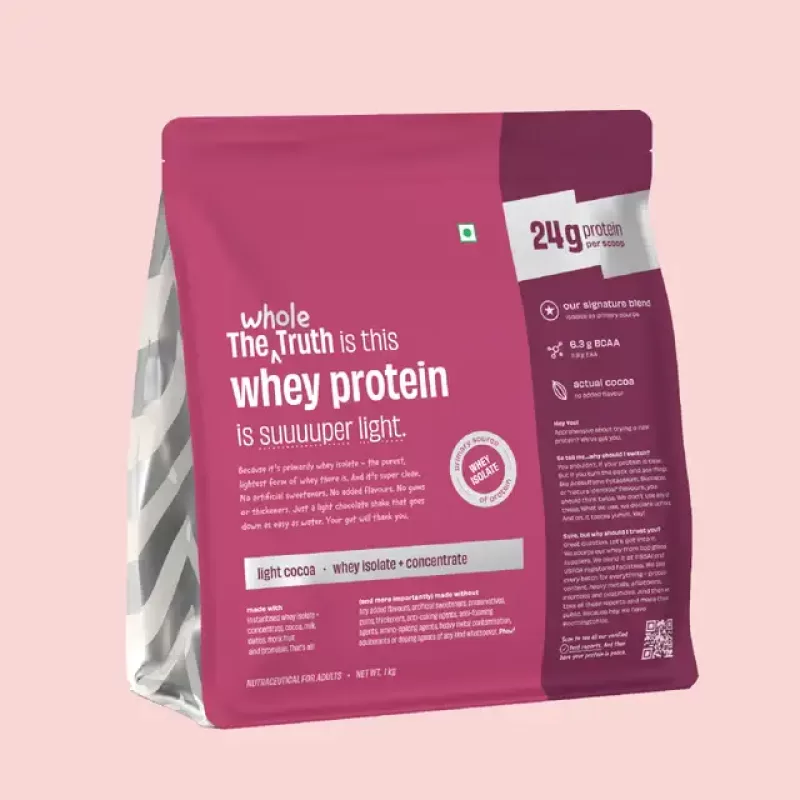
Shashank Mehta spent years inside Hindustan Unilever watching how packaged food was marketed. He understood the playbook: bold claims on the front, fine print on the back, and a consumer who had learned to distrust both. When he left in 2012 and eventually launched The Whole Truth Foods in 2019, the founding idea was almost contrarian in its simplicity, list every ingredient in plain language, on the front of the pack, and let the product speak.
The brand started as "And Nothing Else," a name that said exactly what it meant, before rebranding to The Whole Truth. Protein bars came first. No massive launch, no influencer blitz, no discount-led growth, just a slow, deliberate build with a tight early customer base that actually read ingredient labels. First-year revenue was around ₹2-3 crore. The logic was that customers who found them because of the honesty would stay.
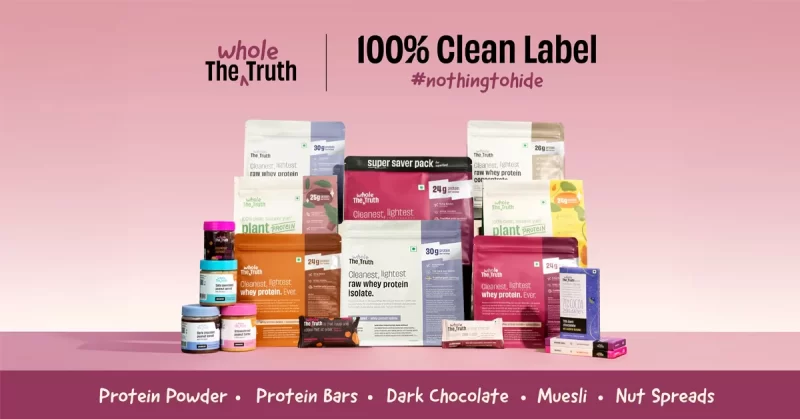
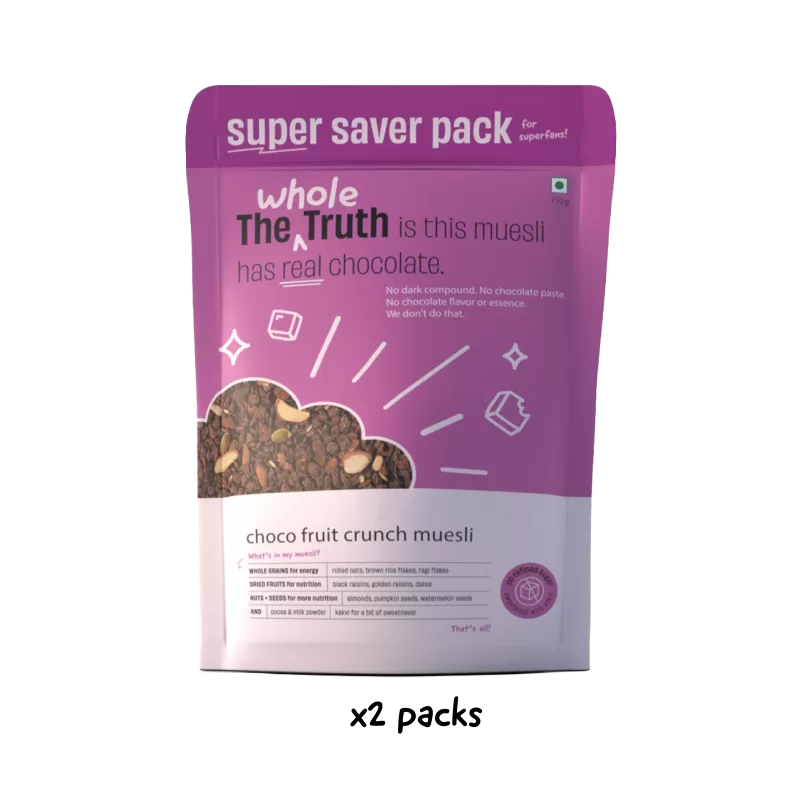
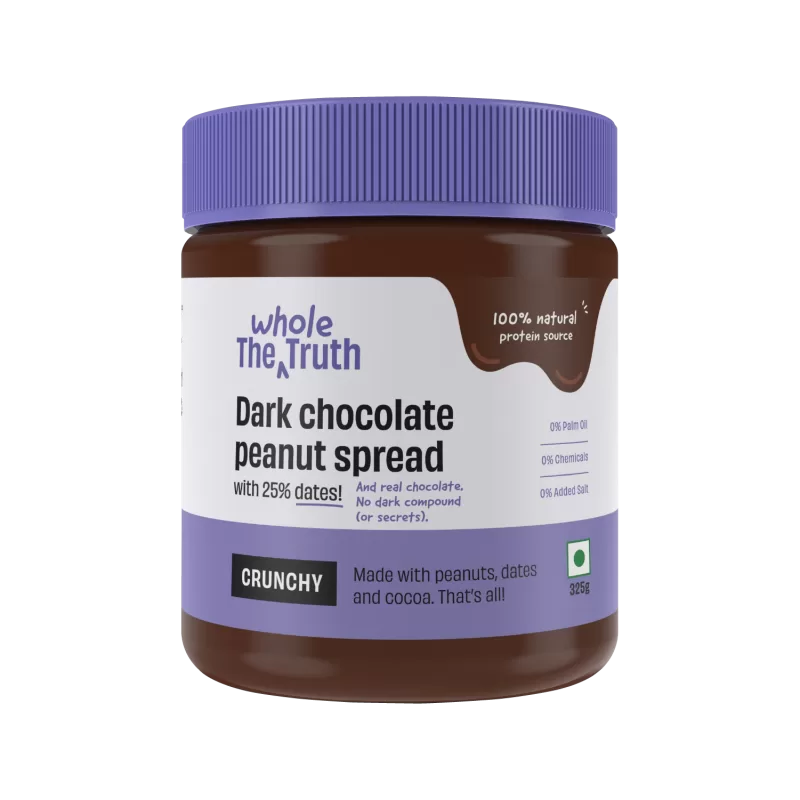
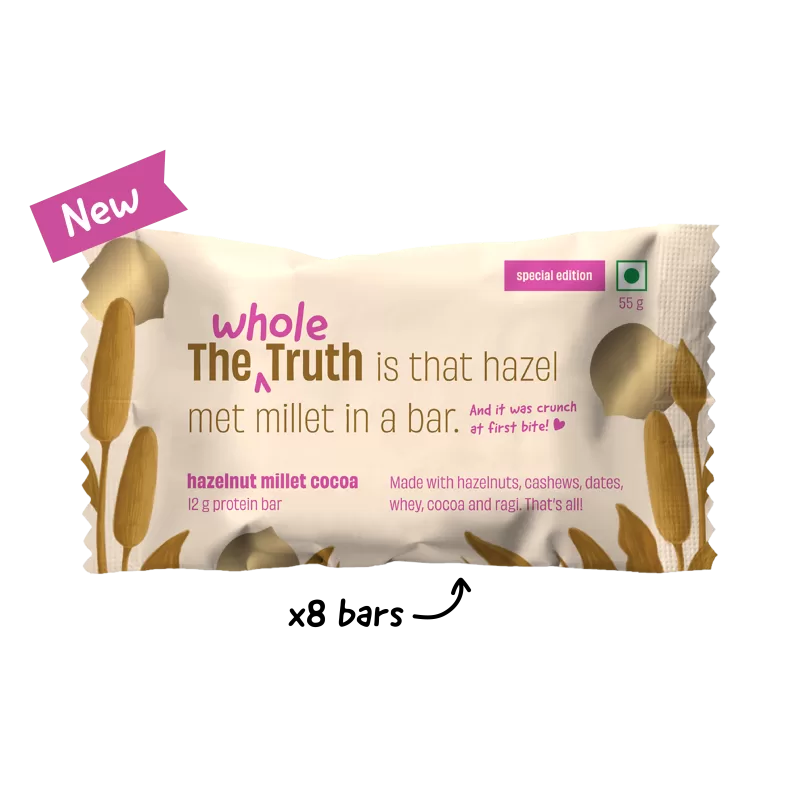
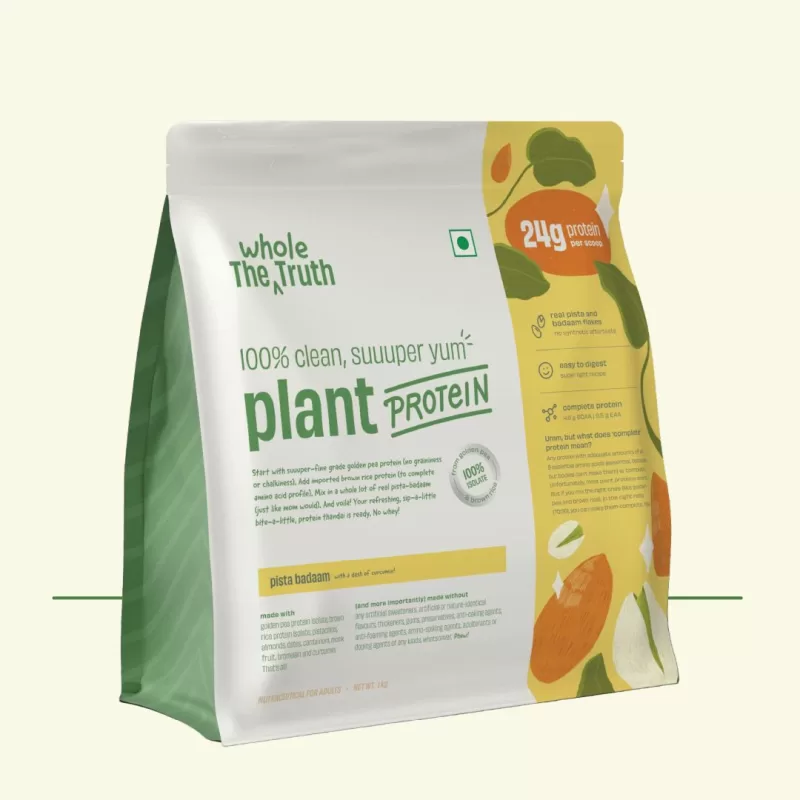
That logic held. The Whole Truth has grown to ₹220 crore in revenue, raised a $51 million Series D in 2026, and carries a valuation now widely reported at around ₹2,100 crore. The product range has expanded from protein bars into peanut butter, muesli, whey protein, and chocolate, each category entered only after the previous one had earned its keep.
The honest context: with 80% of sales coming via e-commerce and marketplace presence growing fast, The Whole Truth is increasingly an omnichannel brand rather than a pure D2C play. Not a criticism, it's the realistic path to scale in India but worth knowing before you expect a scrappy founder-sold-direct operation.
What holds the brand together through all of it is consistency. Every product follows the same rule: if the truth makes it less marketable, the truth still goes on the pack.
Best for: Anyone who reads ingredient labels and wants protein bars, nut butters, and health snacks they can actually decipher.